Shockwave Therapy
Tomorrow's body starts here.

Shockwave Therapy at Perfect Balance.
Shockwave Therapy is a non-invasive treatment used to stimulate healing in injured or overloaded tendons and soft tissues, particularly when pain has become persistent or slow to settle. At Perfect Balance, Shockwave Therapy is used thoughtfully and selectively, as part of a wider clinical plan. It’s not a quick fix, but it can be a powerful tool when the right tissue needs the right stimulus to heal.
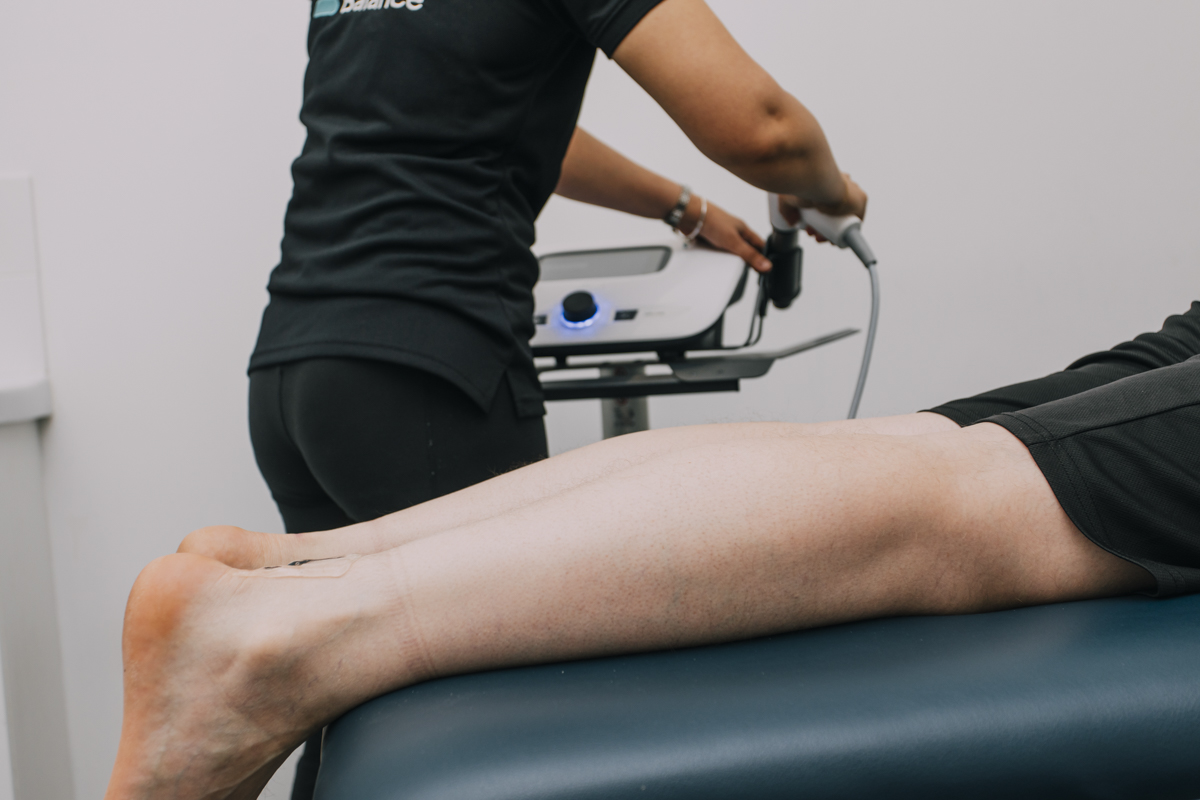
Shockwave Therapy available in
About Shockwave Therapy
What Is Shockwave Therapy?
Shockwave Therapy uses low-energy acoustic pulses that travel through the body’s tissues, similar to sound waves moving through air or water. These pulses are applied to the skin and pass into the underlying tissues, where they stimulate healing processes and pain modulation.
Originally developed in medicine to break down kidney stones without surgery, shockwave technology has been used since the 1990s to treat stubborn tendon and soft-tissue injuries. It is now a well-established treatment within orthopaedic and rehabilitation care. Shockwave therapy works by encouraging circulation, tissue regeneration and the body’s natural repair response, particularly in areas that have struggled to heal fully.
Why We Use Shockwave Therapy
Shockwave Therapy is most commonly used for tendon-related pain and overload conditions, especially when symptoms have not responded fully to rest, exercise or hands-on treatment alone. It may help to:
Stimulate tissue repair and regeneration
Reduce chronic tendon pain
Improve blood flow to slow-healing areas
Support recovery in persistent or recurring injuries
Restore confidence in movement
At Perfect Balance, Shockwave Therapy is used alongside clinical assessment, not instead of it.
Common Conditions We Treat With Shockwave Therapy
Shockwave Therapy may be used as part of treatment for:
Tennis elbow (lateral epicondylitis)
Golfer’s elbow (medial epicondylitis)
Plantar fasciitis and heel pain
Achilles tendinopathy
Patellar tendon pain
Shoulder tendon pain
Hip bursitis (greater trochanteric pain)
Shin splints
Chronic tendon overload from sport or work
If your condition isn’t listed, that doesn’t mean Shockwave Therapy isn’t appropriate. Many clients come to us without a clear diagnosis, we assess, explain and guide you.
What to Expect From Shockwave Therapy
Your appointment will begin with a clinical assessment to confirm whether Shockwave Therapy is suitable for you. If appropriate:
The area is identified and prepared
A gel is applied to improve contact
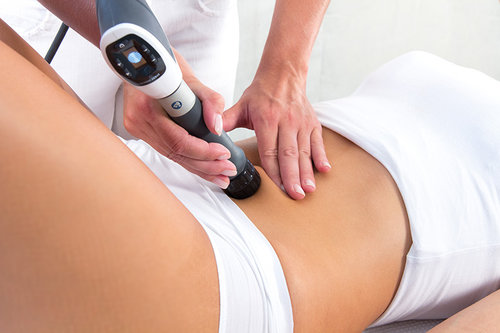
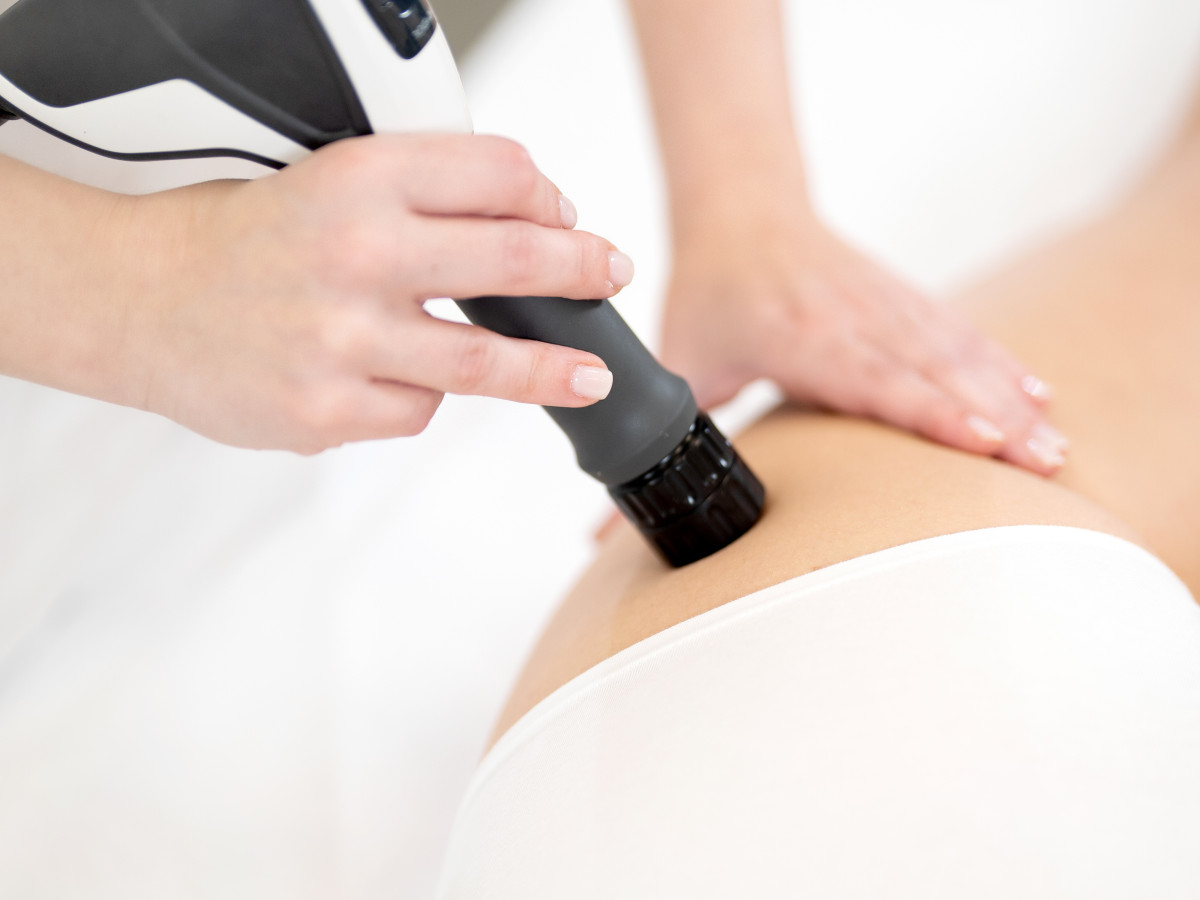
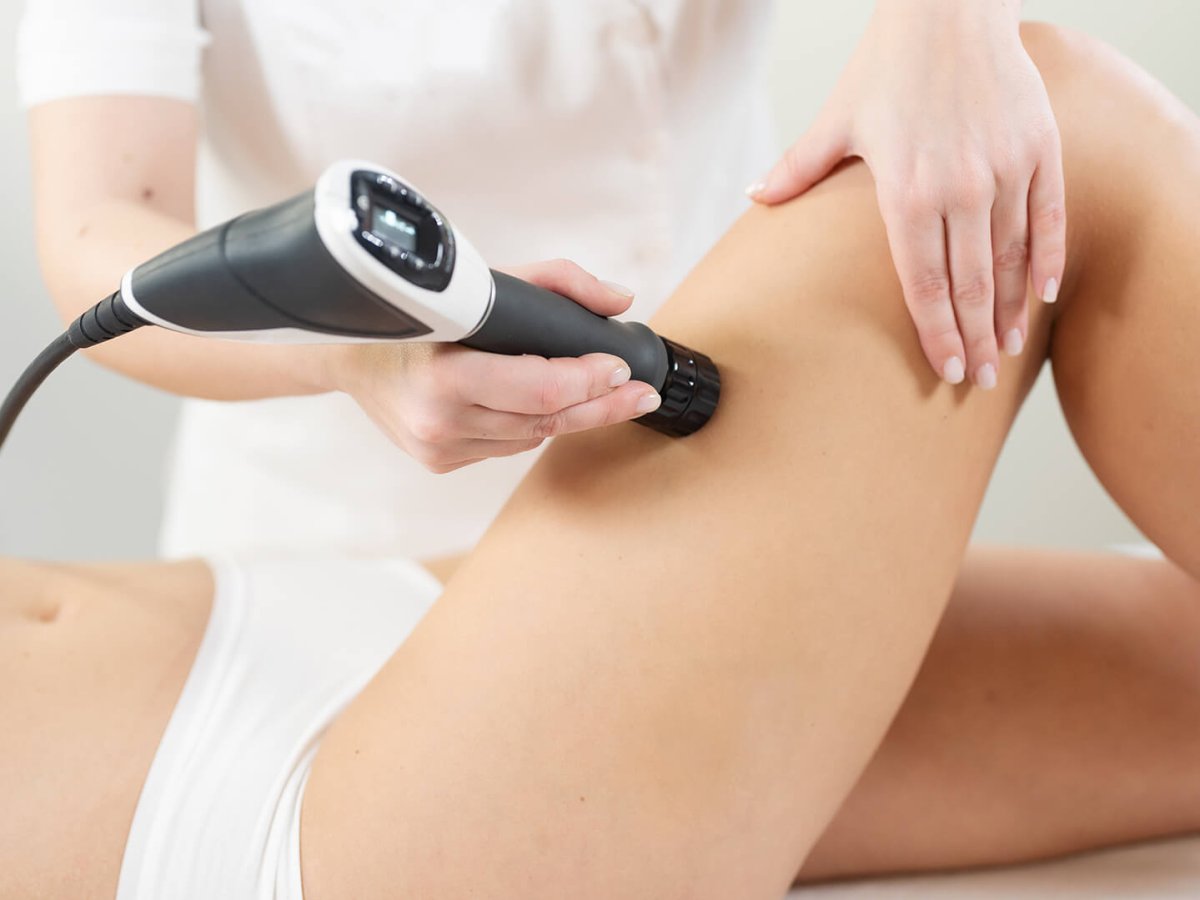
The handheld device delivers acoustic pulses for a few minutes
Treatment is brief and requires no recovery time
Shockwave Therapy is generally well tolerated. Some people notice mild soreness for a day or two after treatment, a normal response linked to tissue stimulation. Your Perfect Balance Clinician will explain exactly what to expect and how Shockwave Therapy fits into your wider plan.

Why Choose Perfect Balance for Shockwave Therapy?
At Perfect Balance, advanced treatments are used with purpose, not routinely. Clients choose us because we offer:
Experienced clinicians trained in complex pain and tendon conditions
Shockwave therapy as part of an integrated treatment plan
Clear explanations and honest guidance
Calm, supportive care, never rushed
Clinics across London, Hertfordshire, Cambridgeshire and Surrey
At Perfect Balance, every assessment leads to clarity, reassurance and a clear plan forward, delivered with care, expertise and purpose.